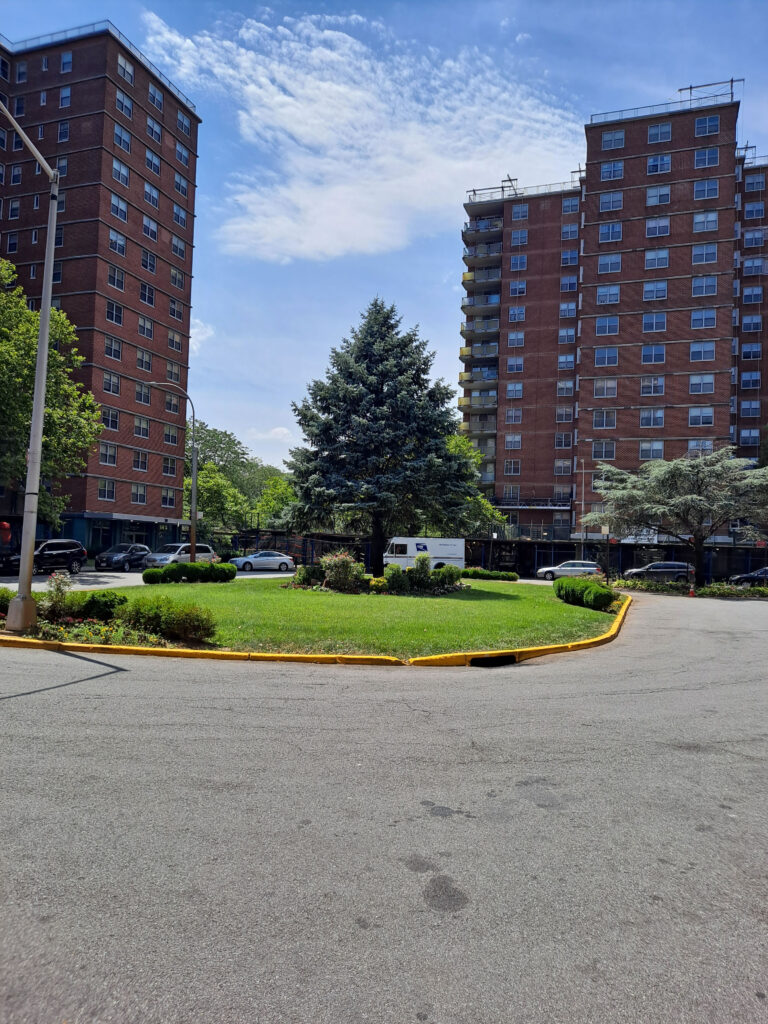
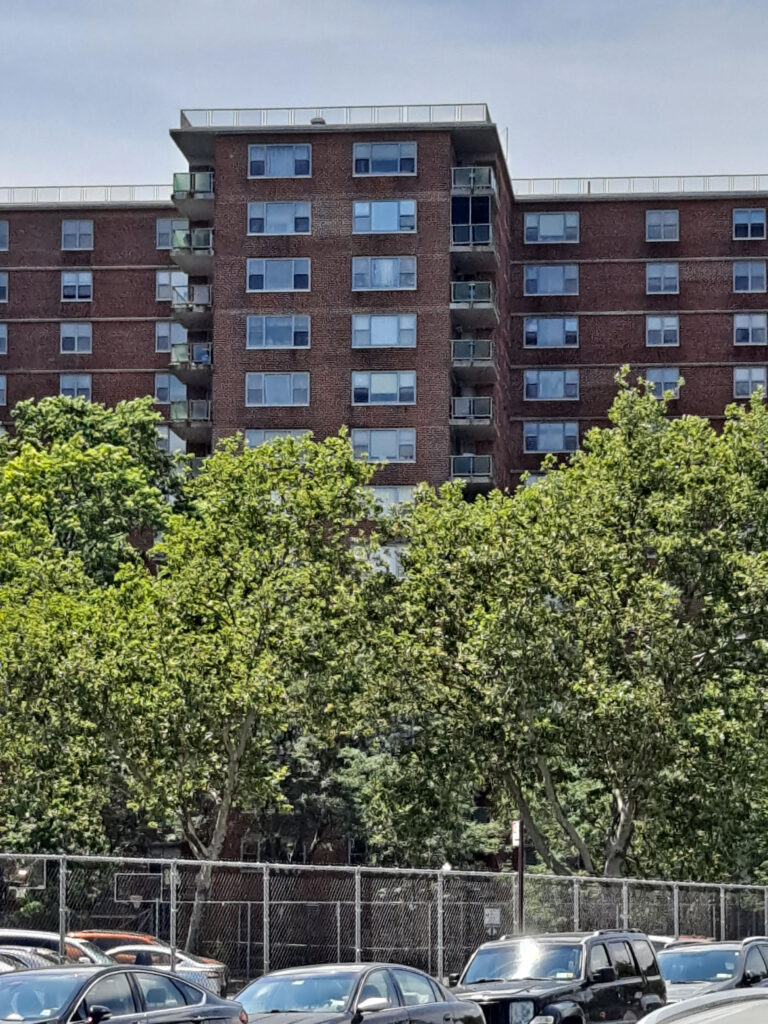
Rochdale Village in Queens is a landmark cooperative community built in the 1960s on the site of the former Jamaica Racetrack as an ambitious experiment in affordable, integrated middle‑class housing for thousands of New Yorkers. Today it remains a largely owner‑occupied, self‑contained neighborhood with strong African American middle‑class roots, active resident leadership, and a tradition of civic engagement.
Origins and Vision
Rochdale Village was conceived in the 1950s by the United Housing Foundation and planner Robert Moses as a “city within a city” on roughly 120 acres of the old Jamaica Race Track in southeast Queens. Named for the English town of Rochdale and its 19th‑century “Rochdale Principles,” the development was designed as a limited‑equity cooperative to provide attractive, affordable housing for working families.
Construction and Early Years
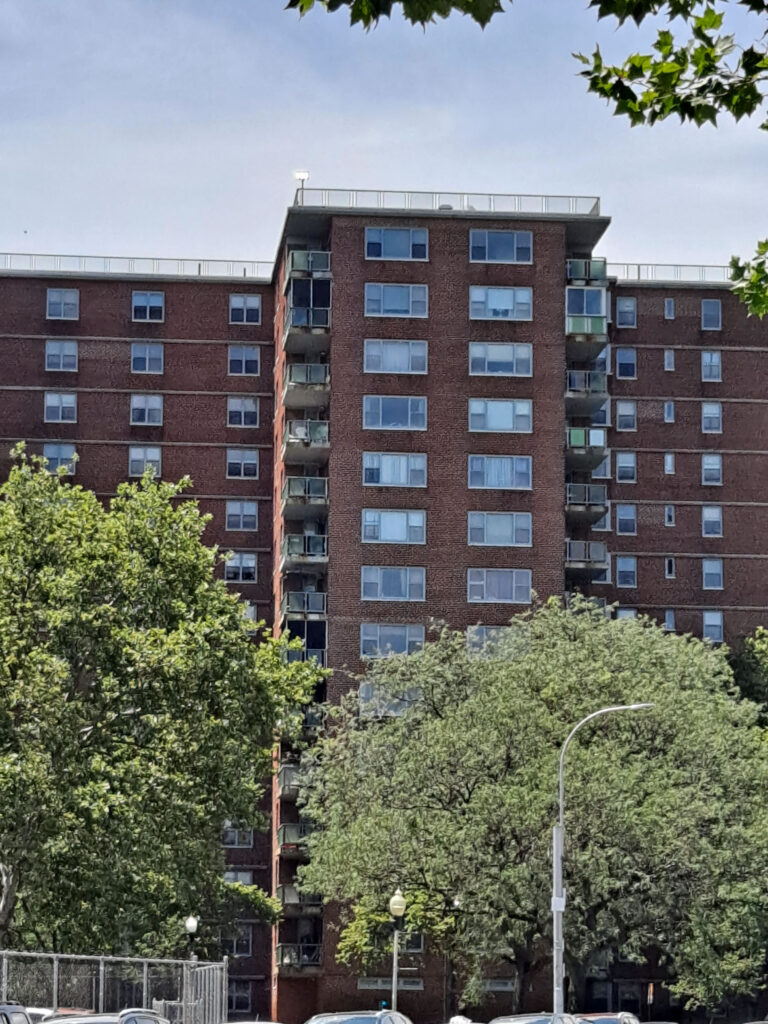
Construction began around 1960 after the State of New York financed the project under the Mitchell‑Lama Housing Program, ultimately lending more than 80 million dollars to make the cooperative possible. When Rochdale Village opened in late 1963, its 20 high‑rise buildings and 5,860 apartments made it the largest housing cooperative in the world, home to more than 20,000–25,000 residents at full occupancy.
Integration and Civil Rights Era
From the outset, Rochdale Village was promoted as a model of interracial, integrated housing at a time when many Queens cooperatives remained overwhelmingly white. Early occupancy was roughly 80–90 percent white and 10–20 percent Black, and the site became a flashpoint in the Civil Rights era when Black workers were initially excluded from construction, prompting protests and arrests in 1961.
Demographic Change and Community Stability
By the late 1970s, the original racial balance had reversed, and Rochdale Village had evolved into a predominantly Black community, reflecting broader demographic shifts in southeast Queens. Rather than being segregated by formal policy, this change occurred through resident choice, and the cooperative emerged as a stronghold of the Black middle class, offering stable, family‑oriented housing and opportunities for home‑style ownership.
Governance and Cooperative Structure
Rochdale Village operates as a limited‑equity, owner‑occupied cooperative, with residents (often called “cooperators”) electing a board of directors that oversees management and policy. Over time, the development moved to 100 percent owner‑occupancy, phasing out rent‑stabilized apartments and reinforcing a less transient, more invested resident base.
Physical Layout and Amenities
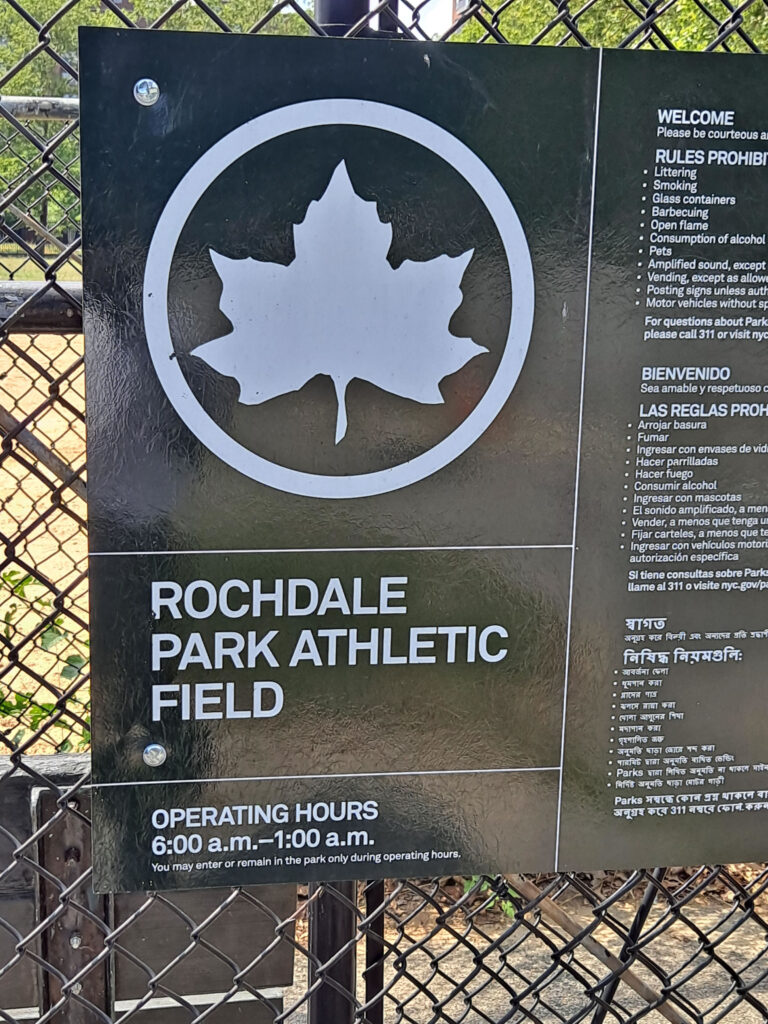
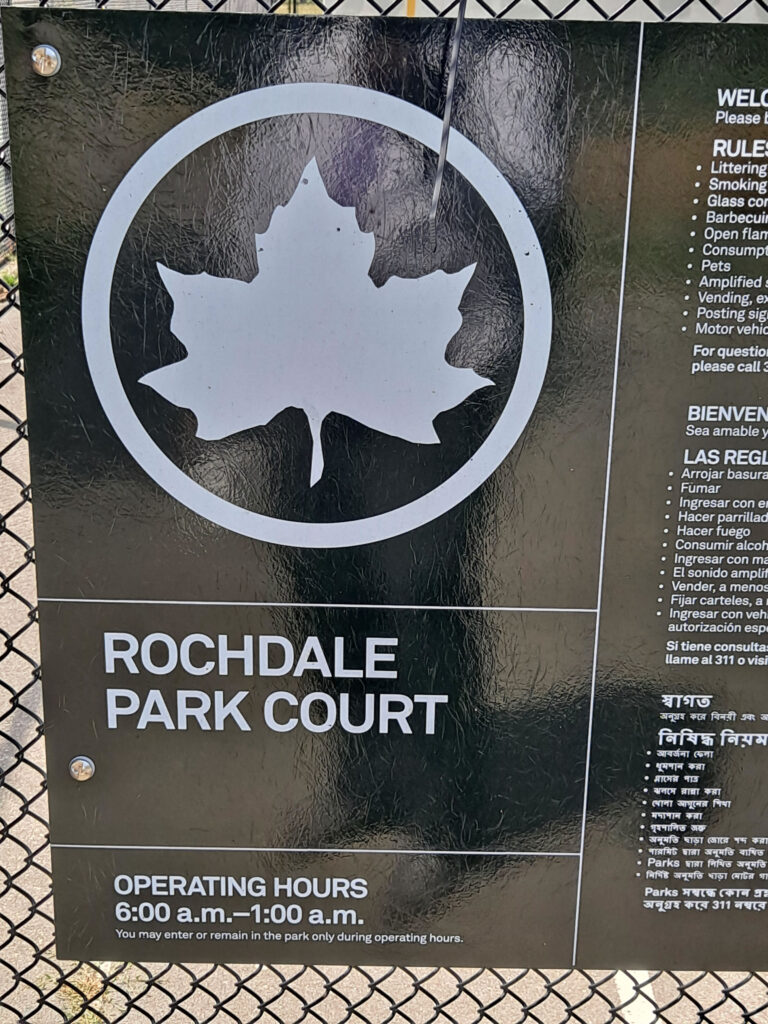
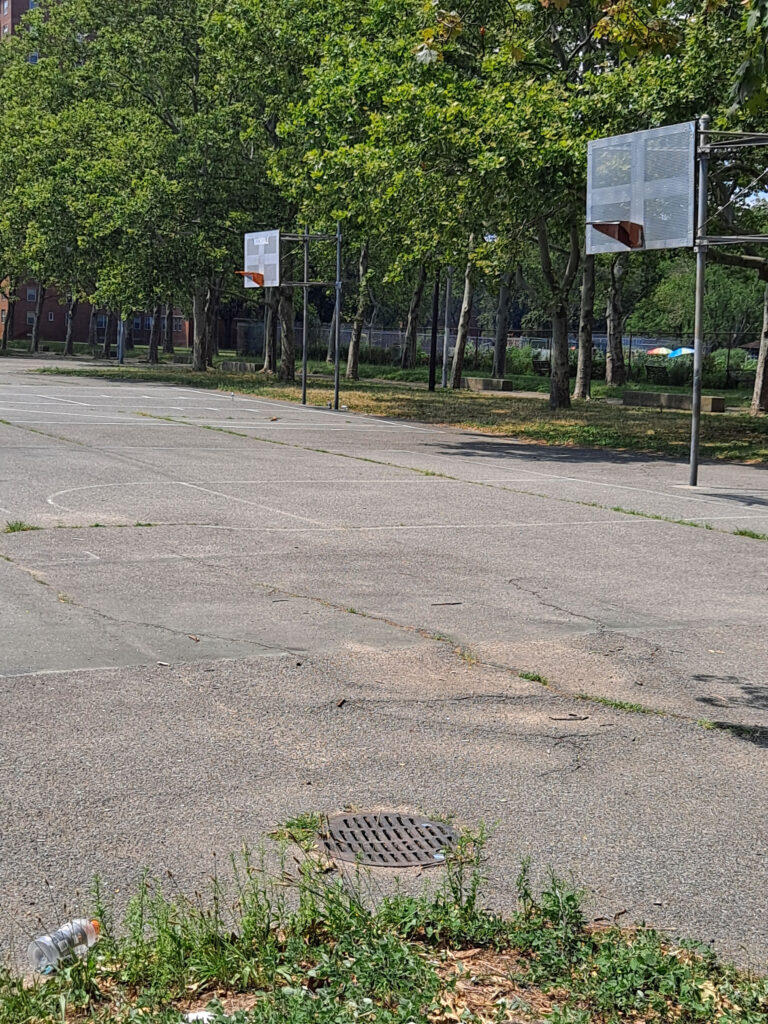
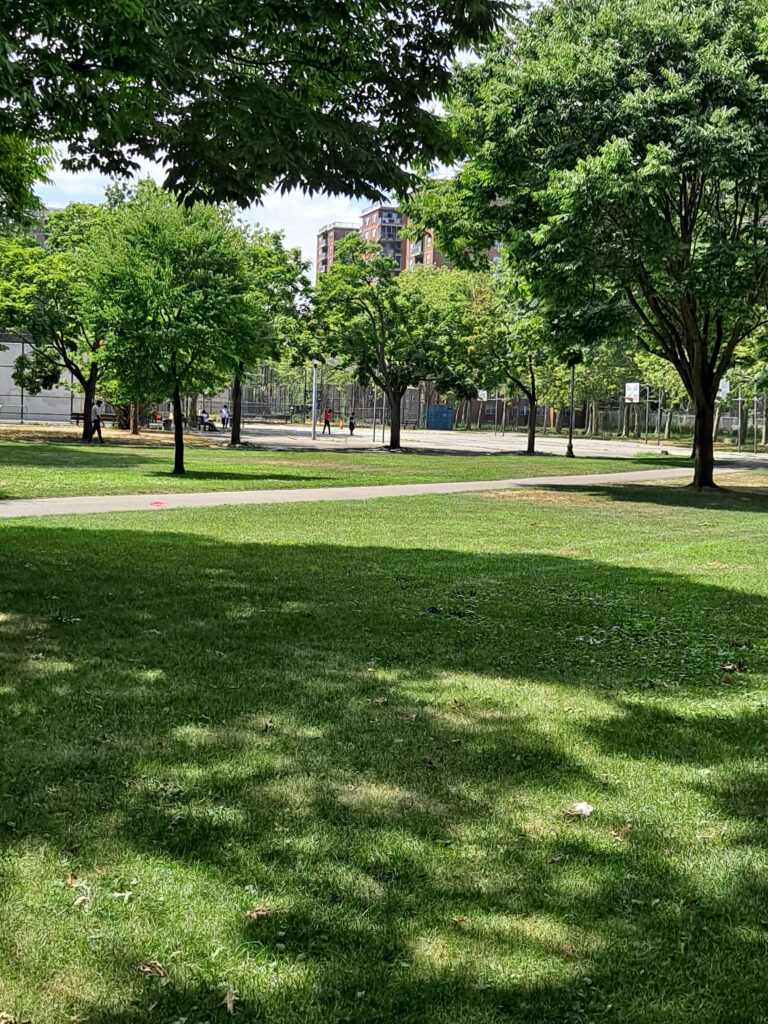
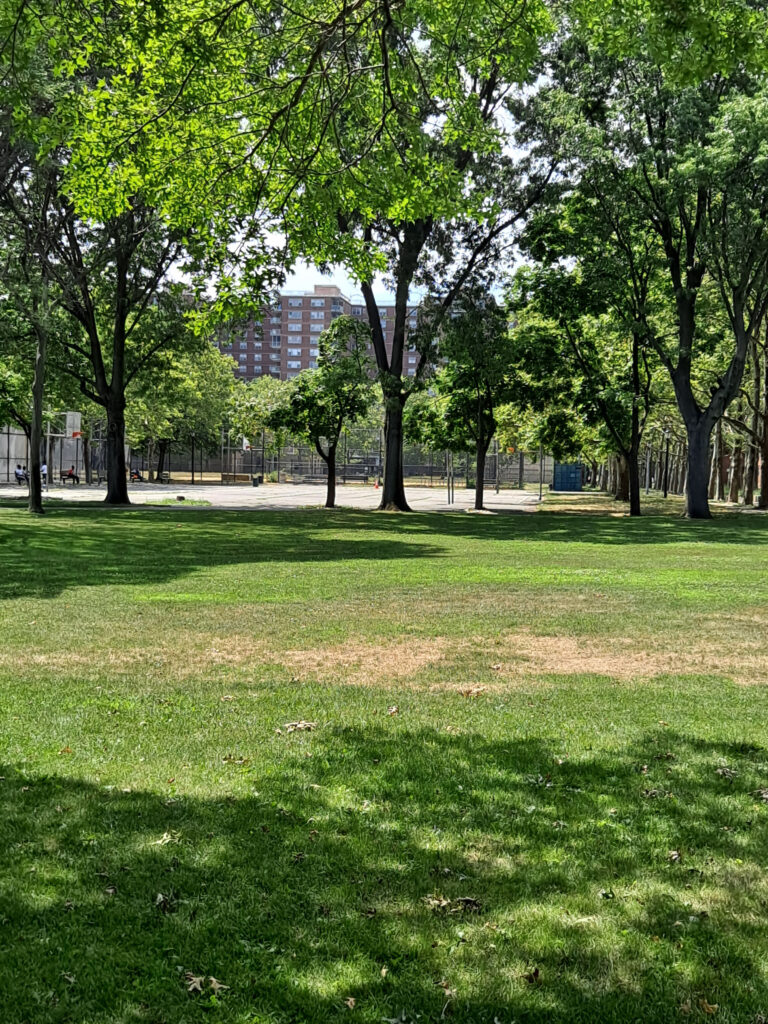
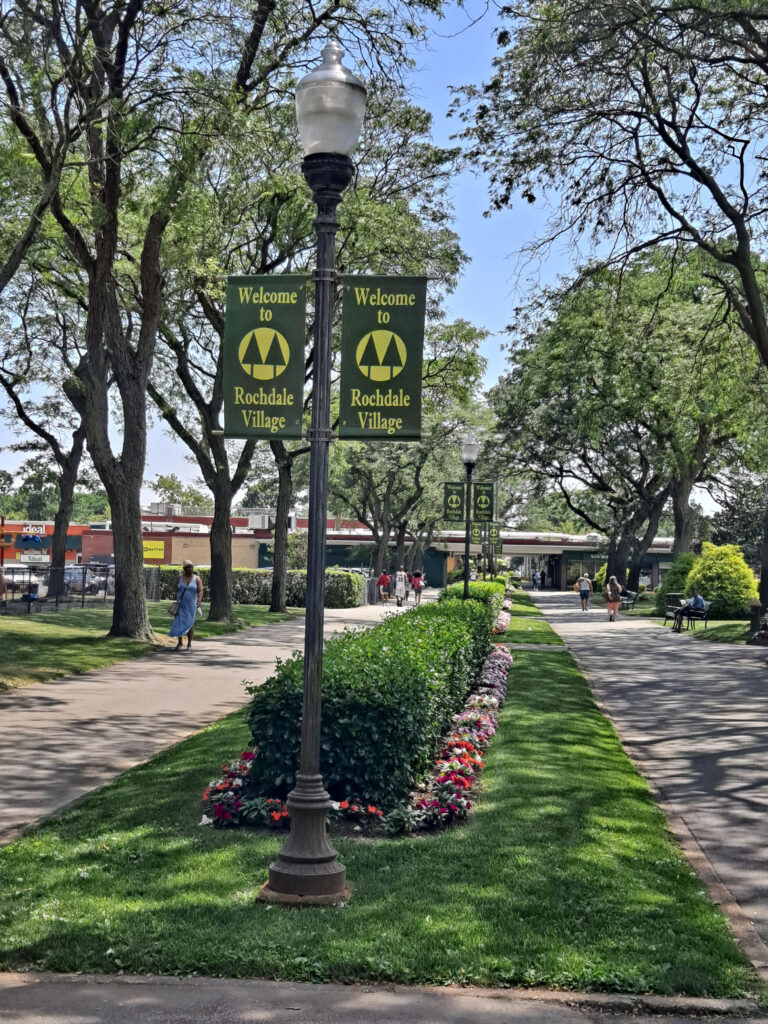
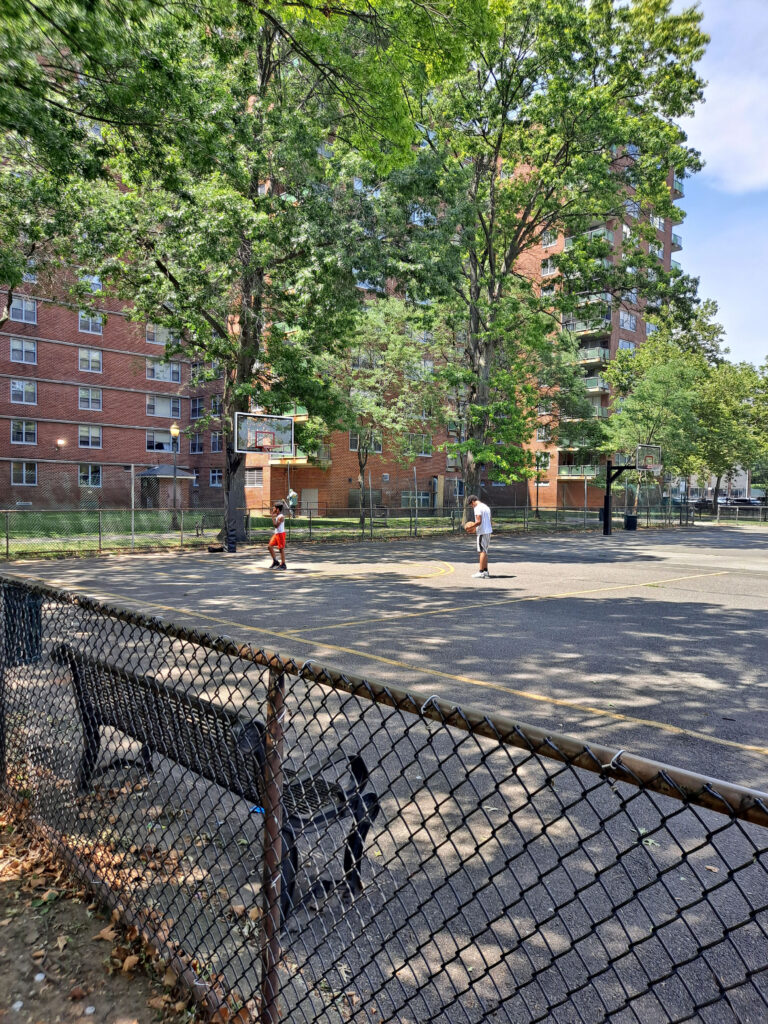
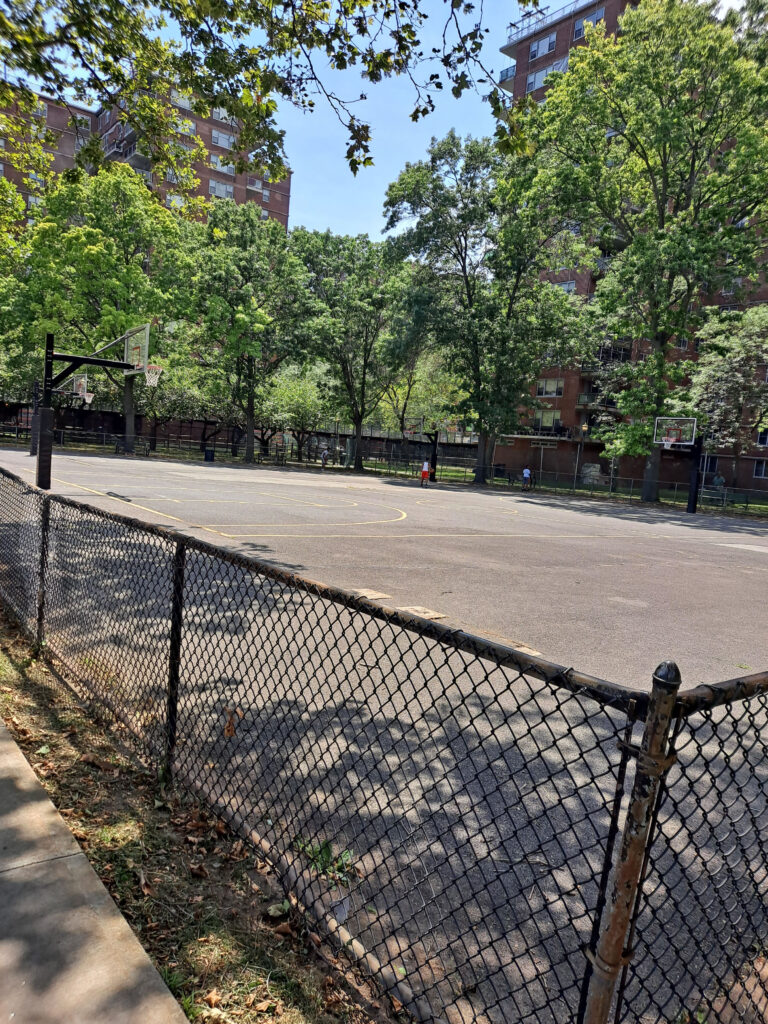
Designed as a self‑contained community, Rochdale’s 120‑plus landscaped acres include lawns, shaded walkways, sitting areas, playgrounds, community gardens, and recreational spaces. The campus also incorporates on‑site services and retail, echoing its original “city within a city” concept and reducing residents’ need to travel far for daily necessities.
Community Life and Institutions
Over the decades, Rochdale Village has fostered a dense network of tenant associations, clubs, programs for youth and seniors, and faith‑based and civic organizations rooted in the cooperative. Local leaders and residents have organized around everything from maintenance and safety to cultural events and educational opportunities, helping maintain a sense of shared responsibility and pride.
Challenges and Renewal
Like many large urban developments, Rochdale Village experienced periods of disinvestment and rising crime in the 1970s and 1980s. By the 1990s, however, improved management, stronger resident governance, and citywide crime declines contributed to a widely noted turnaround, with low vacancy, better maintenance, and renewed appeal for middle‑income families.
Present‑Day Identity
Today, Rochdale Village, Queens is often described as a naturally occurring retirement community with a mix of original residents and younger families, many with deep multigenerational ties to the cooperative. It continues to offer relatively affordable, stable housing and a close‑knit environment, anchoring the broader South Jamaica and southeast Queens community while preserving the cooperative ideals that shaped its founding.